What comes off, what is underneath, and what goes back on
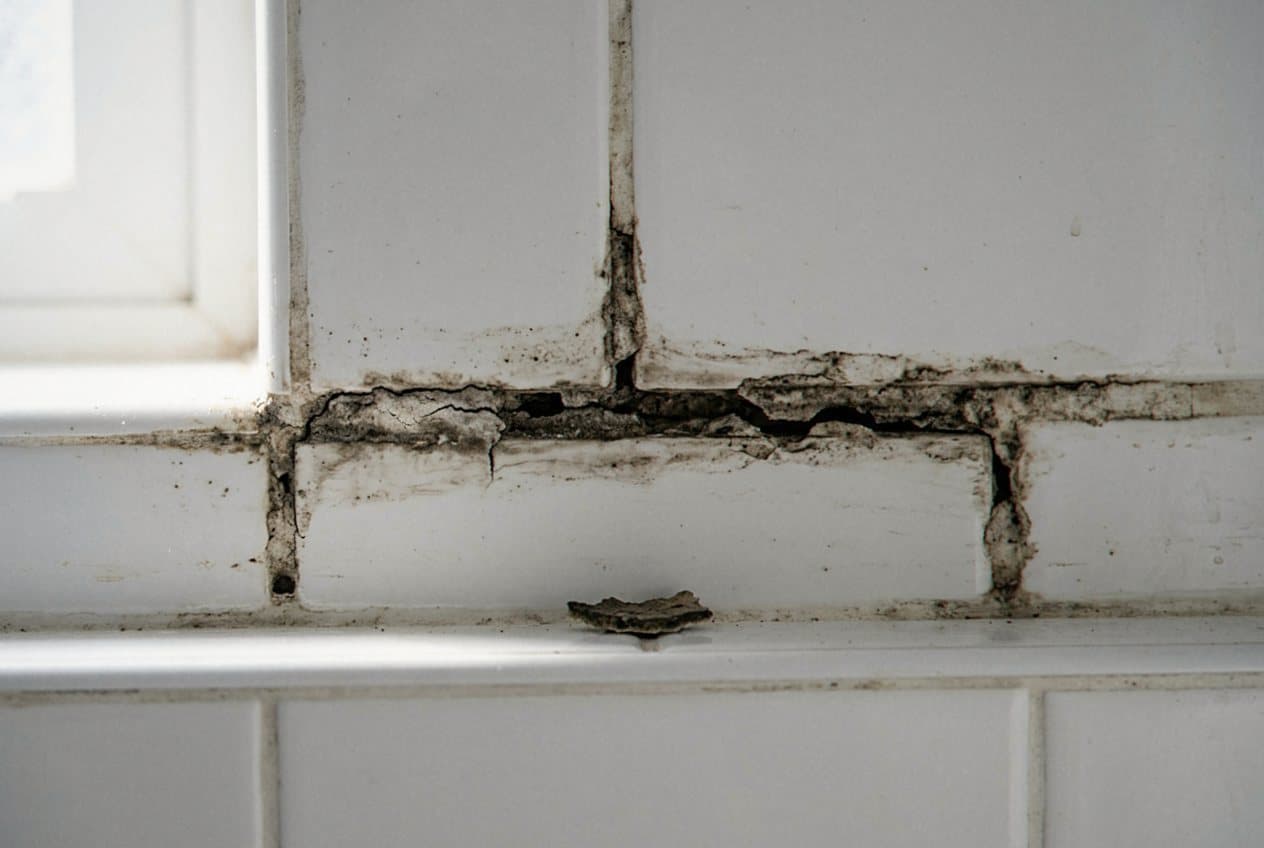
Most of the tile we pull out of Warren houses went in long before we did. The neighborhoods off Van Dyke and Ryan filled in during the fifties and sixties, and plenty of those bathrooms still wear the first wall tile over a thick bed of mortar packed against wire lath. That is not how tile goes up now, and it does not come down the way a modern wall does either. A mud bed is heavy and stubborn, and it takes the plaster with it when it finally lets go. So we open a small area first and look, before anybody talks about a price. Kitchen floors tell a similar story. Under the ceramic there is often a layer of old sheet vinyl, sometimes two of them, and under that a thin plywood layer stapled down every few inches by a crew that never expected anyone to take it back off. Basement floors sit right on the slab with a black glue that has beaten every scraper ever made. None of that is a real problem once we know it is there. It turns into a problem when somebody prices a floor removal sight unseen and then meets the truth on demo morning, which is how a job doubles in a day. We would rather spend twenty minutes with a pry bar in one corner and hand you a picture of the actual work. Then there is the question of age. If the house is old enough that the old floor glue or the backing sheet might hold asbestos, we stop and have a sample tested. Nobody breaks any of it up until that answer comes back. The EPA asks the same of anyone touching material from that era, and the result decides who does the removal and how it leaves the house. It costs a few days and it is never worth skipping. The same care goes for what sits behind a shower wall. Water slips past old grout for years without saying a word, and the studs behind a tub can be soft long before a single tile ever moves.
A removal is the messiest day of any tile job, so we plan the mess before we plan the tile. Plastic goes up at the doorways with a zipper so people can still get through. We tape the vents shut in the room, because a furnace will happily carry grit to every register in the house if you let it. Floors get covered on the whole path from the work back to the door we carry through. Our tools run with a vacuum attached at the head, which pulls most of the dust at the source instead of chasing it later with a shop vac. That matters more than people expect. Mortar dust is fine and gritty, it settles on everything flat, and it will find a bedroom two doors down. Then there is the noise and the weight. Breaking a mortar bed off a bathroom wall is loud work and there is no quiet version of it, so we tell you which days to plan around instead of letting you find out at eight in the morning. The debris goes out in buckets and covered loads as we work. Old tile and mortar are heavy and the edges are sharp, and none of it should sit in your driveway waiting for a weekend trip to the dump. In a bathroom we shut the water off at the fixture, pull the trim, and protect the tub if the tub is staying. In a kitchen we pull the range, slide the fridge, and disconnect the dishwasher before anything gets touched. Cabinets get wrapped at the toe kick where a chisel would otherwise leave a mark you can never sand out. If a wall comes down to the studs, we look at the framing and the plumbing while it is open, since that view closes up again for a long time to come the moment new board goes on. Anything soft or rotted gets called out with a photo the same day we find it, along with what it changes about the schedule and the scope.
- A look under your old tile before anyone talks price. We pull a small test area in a corner and find out whether you have a mortar bed, a stack of old vinyl, or tile stuck straight to a basement slab. What we find sets the number and the day count, so the figure we give you on the first visit is the one you plan around. If something under there changes it, you hear that from us the day we find it.
- Dust kept in the room where the work is. We seal the doorways, tape off the vents so the furnace cannot spread grit through the house, and cover the whole path from the room to the door we carry out of. Our tools pull dust at the head as we cut, which handles the mess while it is being made instead of after. The rest of your house should look untouched when the demo is done.
- The substrate repaired, not buried. Soft plywood comes out, a bouncy floor gets stiffened, and a shower wall that has been quietly wet for years gets new backer and a fresh waterproof layer. That work is the whole reason the new tile outlasts the tile we just carried out of your house in buckets. It is also the step a fast quote leaves out, which is why a cheap job comes back around in five years.
- Debris hauled away as we go. Old tile and mortar are heavy and the broken edges are sharp, and none of it belongs in a pile on your driveway while you borrow a truck. It leaves in covered loads with us, and the room gets swept and wiped at the end of every working day, not just at the end of the job.
- One crew from demo through the last bead of caulk. The same people who broke out your old floor set the new one, so there is no gap where a wrecking outfit and an installer blame each other for what turned up in the middle. You get one phone number, one schedule, and one person answering for the finished room. That is the whole reason we do the removal ourselves instead of showing up after somebody else swings the hammer.
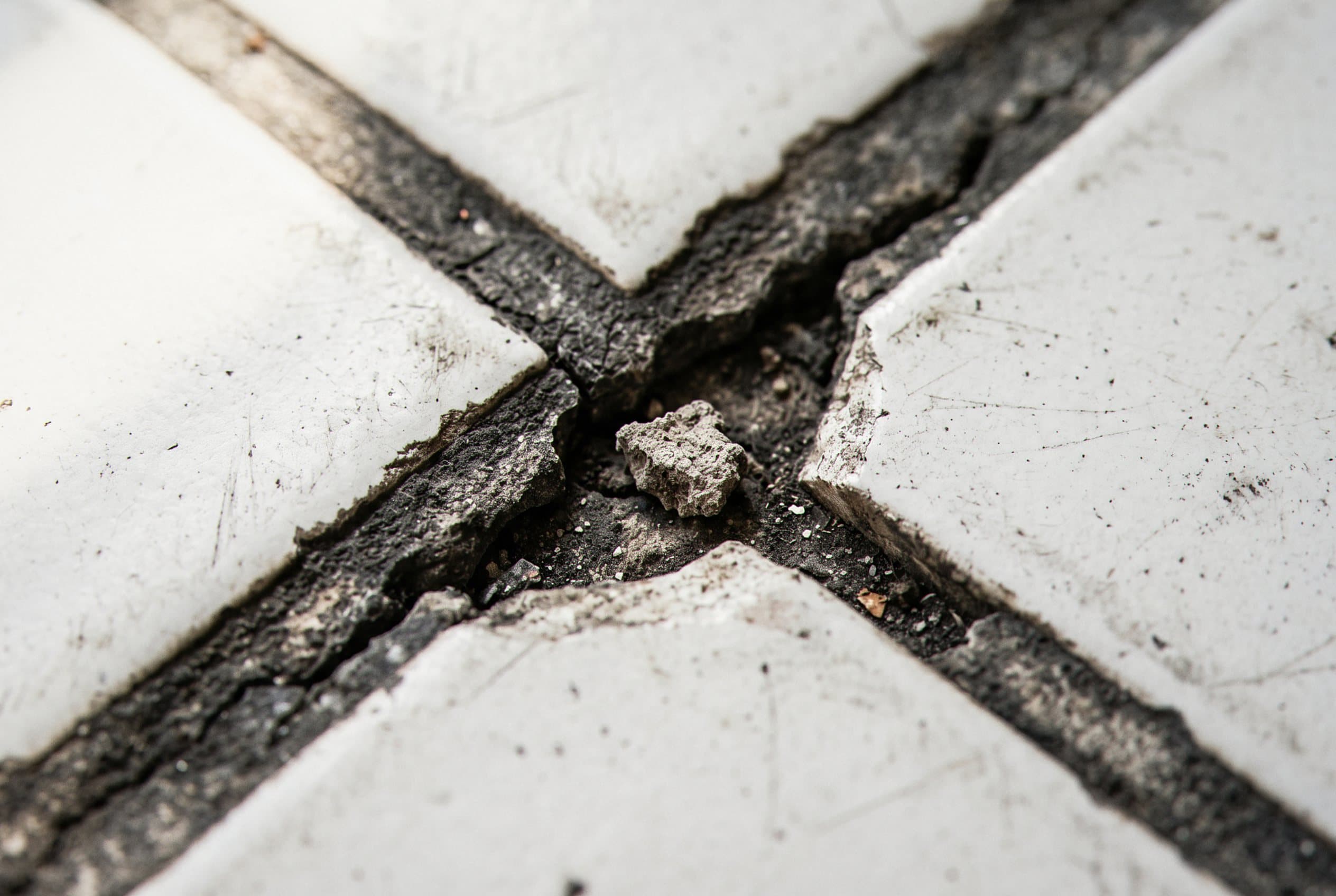
The replacement half is where the job is either fixed or repeated. Old tile rarely fails on its own. It comes off because the wall behind it stayed wet, or the floor under it flexed, or somebody set it over a surface that was never right to begin with. Once the room is stripped we go looking for that reason. A shower wall gets fresh backer and a waterproof layer over it, so the water stops at the surface rather than living inside the wall. A floor that gave underfoot gets stiffened, and a slab with a moving crack gets a membrane so the crack cannot travel up into your new grout. None of that shows once the tile is on. All of it decides how the room looks in ten years. After the repairs comes the part you actually get to see. We dry lay the new tile and find the lines that matter in your room, which is usually the wall you face from the door and the run along the tub. Full pieces land where the eye goes, and the cuts get pushed into corners and under the toe kick. We also settle the small choices before any tile goes up, because they get expensive to change after. Grout color and joint width, where the metal edge trim lands, whether the floor runs under the new base or stops short of it. Those are five minute conversations on paper and a torn out wall once the mortar has cured. We set the tile, let the mortar cure, then grout, then caulk the joints that are built to move. Curing is the piece nobody likes. Mortar has to set before grout goes in, and grout has to set before the room takes water and traffic. We will not rush either one to save an afternoon, and we will tell you the real day you get the room back. If your house has one bathroom, say so on the first visit. We stage that job differently, we keep the toilet usable as long as we can, and we plan the shower down days around your week instead of ours. You get the same crew from the first swing of the hammer through the last bead of caulk, so nobody is standing in your hallway pointing at another company.
If your tile is cracked, loose, stained past cleaning, or just twenty years out of style, call us and we will come see it. We work in Warren, Center Line, Roseville, Eastpointe, Fraser, and around Macomb County. We will tell you what is likely under there. We will tell you what the removal takes, and how many days the room is out of service before anything gets torn up. If we think the smarter move is fixing what you have instead of replacing all of it, we will say so. You get a straight answer either way, and no pressure from us on the phone.